
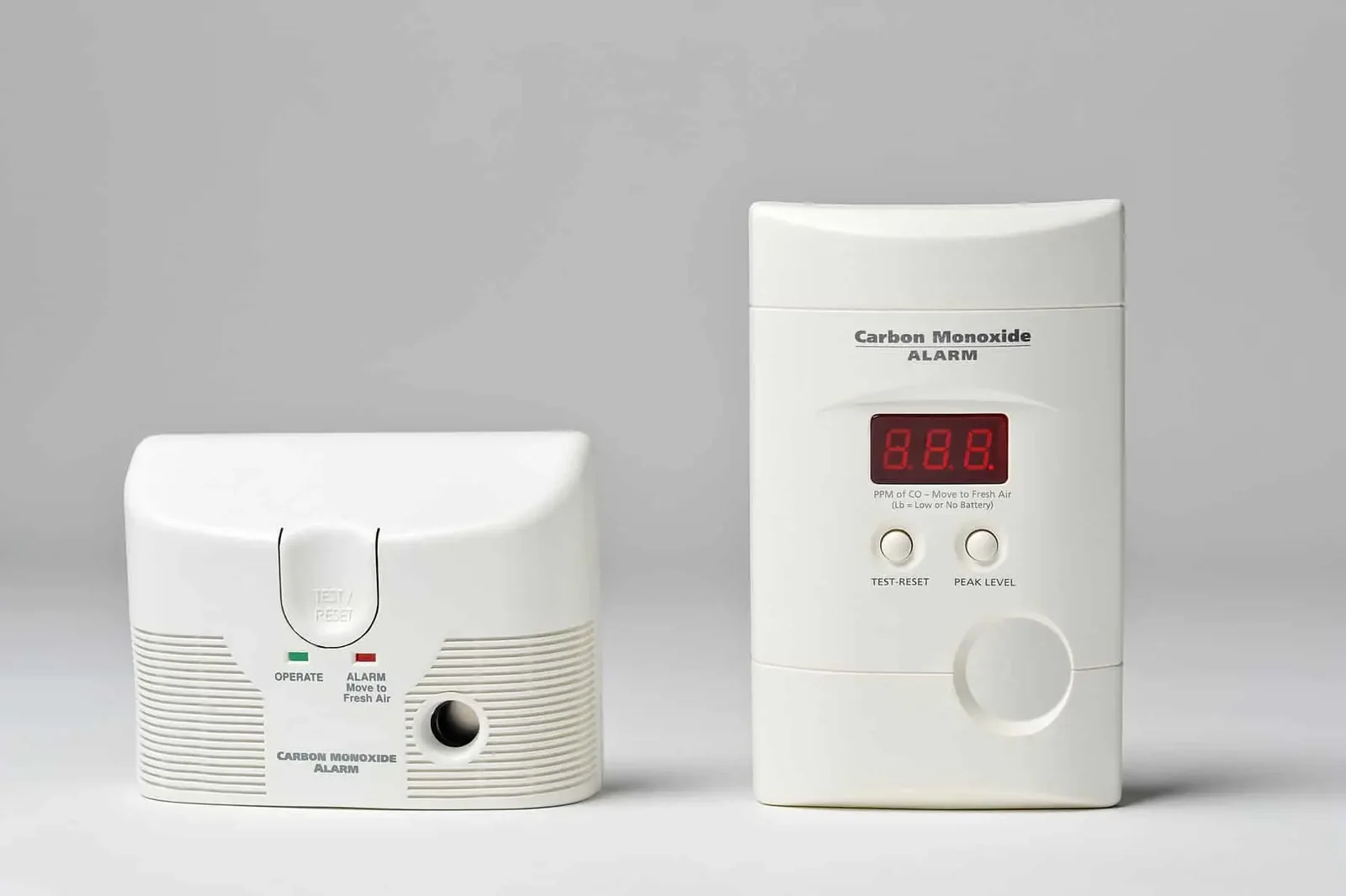
Although the popularity of carbon monoxide (CO) alarms has been growing in recent years, it cannot be assumed that everyone is familiar with the hazards of carbon monoxide poisoning in the home.
Overview
Often called the invisible killer, carbon monoxide is an odorless, colorless gas created when fuels such as gasoline, wood, coal, natural gas, propane, oil, and methane burn incompletely. In the home, heating and cooking equipment that burn fuel are potential sources of carbon monoxide. Vehicles or generators running in an attached garage can also produce dangerous levels of carbon monoxide.
Know the Symptoms of CO Poisoning
Because CO is odorless, colorless, and otherwise undetectable to the human senses, people may not know that they are being exposed. The initial symptoms of low to moderate CO poisoning are similar to the flu, but without the fever. They include:
- Headache
- Fatigue
- Shortness of breath
- Nausea
- Dizziness
Educational Video
Carbon Monoxide Safety — Video 1
Share These Safety Tips
Share these graphics with your family and friends to spread the word. We encourage you to print these and also share on social media.
Content Source: National Fire Protection Association and U.S. Fire Administration
Questions about fire safety?
Request a safety presentation or contact Company 12. For an emergency, call 911.
Request a visit